
Sodium phosphite
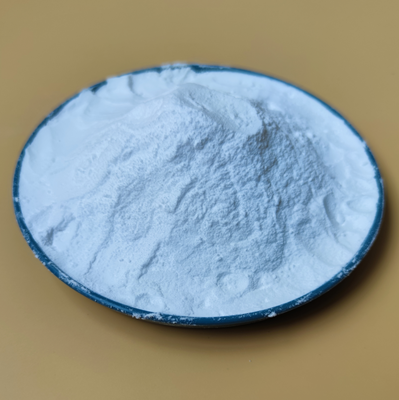
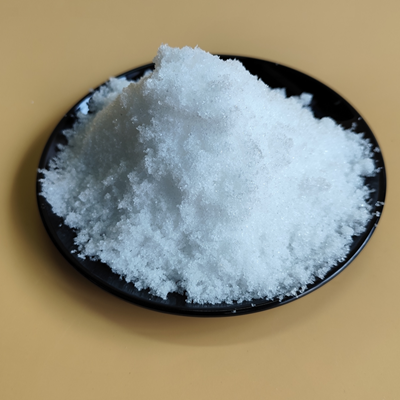
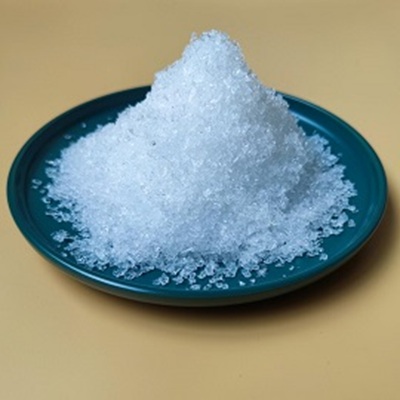
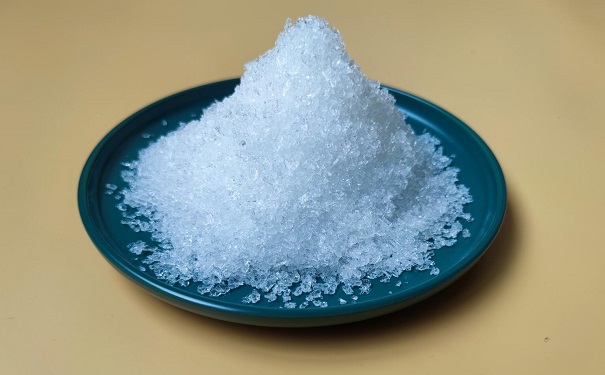
Sodium phosphite(CAS: 13517-23-2) is a reducing agent with the chemical formula Na₂HPO₃. It is not an acidic salt, but a normal salt. In aqueous solution, it is alkaline, not acidic, and can ionize sodium and phosphite ions in water. Sodium phosphite is readily soluble in water and has high solubility, mainly used in surface treatment, flame retardancy, and water treatment industries. In air, it will be oxidized to sodium phosphate and other normal salts. It has high purity and some hygroscopic properties; it should be used as soon as possible after opening.
I. Specifications
Main Content≥98.0%
Moisture≤0.2%
Cl≤0.1%
SO4≤0.08%
Fe≤0.002%
Water Insoluble Matter ≤0.02%
Heavy Metals ≤0.0025%
pH Value: 9.0-10.0
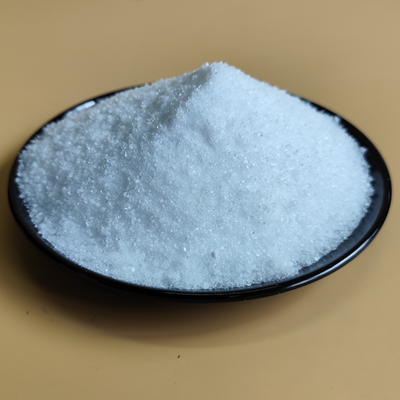
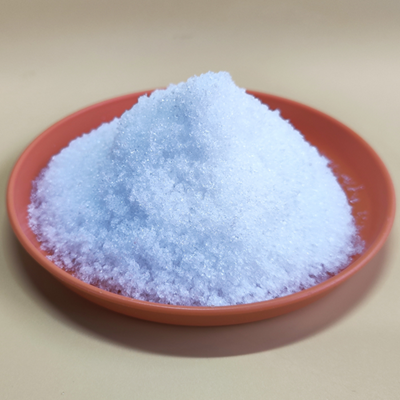
Appearance: White Crystals
II. Mechanism of Action
1. The +3 valent phosphorus in Na2HPO3 has reducing properties and is oxidized to +5 valent phosphate on the surface of metals such as iron, aluminum, and copper. During the reaction, phosphite combines with metal ions generated from the dissolution of the metal anolyte, forming a dense, insoluble phosphate passivation film covering the metal surface.
2. Phosphite can form soluble complexes with scale-forming ions such as Ca and Mg in water, preventing these ions from combining with carbonate and sulfate ions to form calcium carbonate, calcium sulfate, and other scale. Simultaneously, its complexing ability can destroy the structure of loose rust formed during corrosion, preventing pitting corrosion of the metal beneath the rust layer. Its effect is better when the pH is maintained <3.
3. Phosphite ions can be absorbed by the cell membrane of pathogens, interfering with their metabolic processes after entering the cell: on the one hand, it inhibits the activity of phosphatases in pathogens, hindering ATP synthesis; on the other hand, the reducing power of +3 valent phosphorus can disrupt the redox balance of the pathogen cell membrane, leading to cell death.
III. Storage and Transportation
1. Avoid storage with acidic chemicals.
2. Avoid storage with oxidizing substances.
3. Strictly prohibit storage with other chemicals such as zinc, copper, and nickel.
4. Store in a cool, ventilated, and dry warehouse.
IV. Packaging
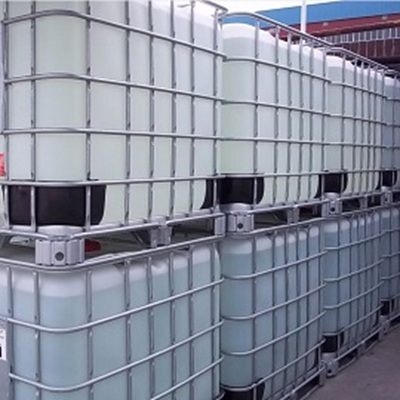
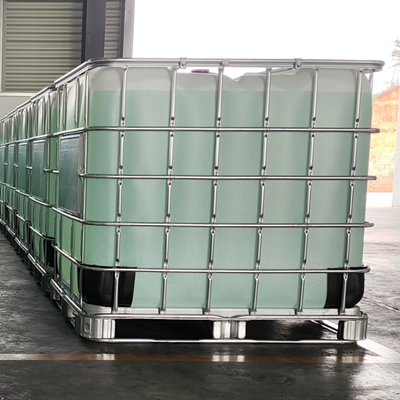
25 kg/bag; 500 kg/bag or 1000 kg/bag may be used for export.
V. Export Precautions
General cargo, non-hazardous chemicals, handled according to general chemical transport regulations. No tax refund. One small container can carry 26 tons of sodium phosphite (palletized).
Sodium phosphite has three main uses: it can be used as a transfer agent for biological intermediates; it contains five molecules of water of crystallization; the phosphorus valence state is +3; and it can react with calcium hydroxide, calcium oxide, aluminum sulfate, etc., to produce chemicals such as calcium phosphite and aluminum phosphite.
Sodium phosphite,13517-23-2,Na2HPO3