
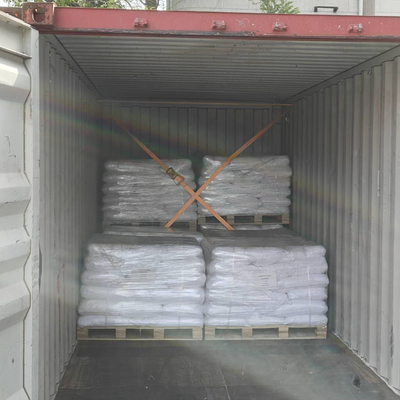
Monopotassium phosphite
Monopotassium phosphite is mainly used as a bactericidal fertilizer in agriculture.Its phosphorus content is 58%, which is + 3-valent phosphorus. It is completely different from potassium dihydrogen phosphate.It can be combined with calcium, copper,zinc, iron,magnesium, manganese and other elements to form trace element fertilizer under the action of ion retentive agent. The CAS number of Monopotassium phosphite is 13977-65-6, which can be diluted 1000-1500 times if sprayed, and the dosage of 1-3kg/1000m2 as a flushing fertilizer.
1,Basic information
English name: Monopotassium phosphite
Molecular formula: KH2PO3
Molecular weight : 120.09
CAS Number: 13977-65-6
H.S NO. : 28352400
2,Product features
(1), +3 phosphorus content is very high, than potassium dihydrogen phosphate, ammonium polyphosphate, potassium pyrophosphate phosphorus content is higher.
(2),Good water solubility, Monopotassium phosphite at room temperature solubility can reach 150g/100ml water.
(3),Good compatibility, under the addition of ion retainer,it can be mixed with calcium, zinc, copper, iron, magnesium, boron and other trace element fertilizer.
(4),It is a very few with bactericidal, disease resistant effect of fertilizer.
(5),No harmful residues, the final decomposition product of Monopotassium phosphite is potassium phosphate salt, harmless to the environment,it is an effective nutrient for crops.
3,Indicators
Content ≥98%
P2O5≥58%
K2O≥38%
Cl≤0.01%
Water insoluble matter: ≤0.3%
Fe≤50mg/kg
PH: 3.0-5.0
Heavy metals (measured in Pb)≤50mg/kg
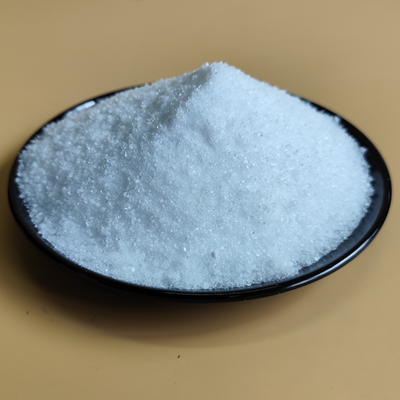
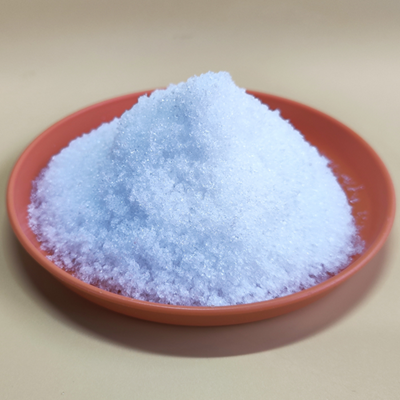
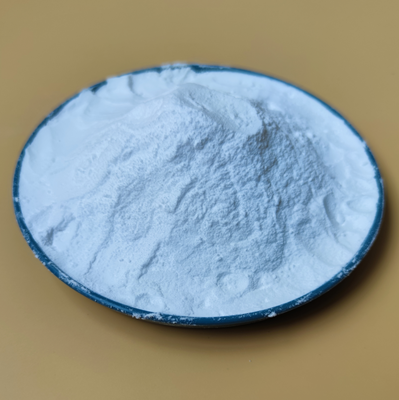
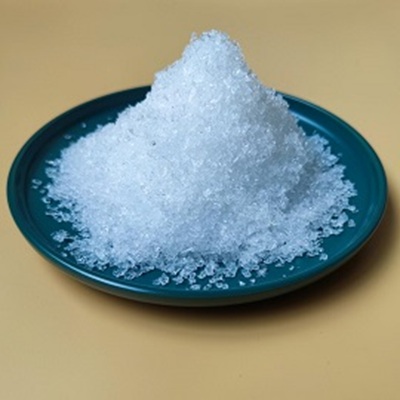
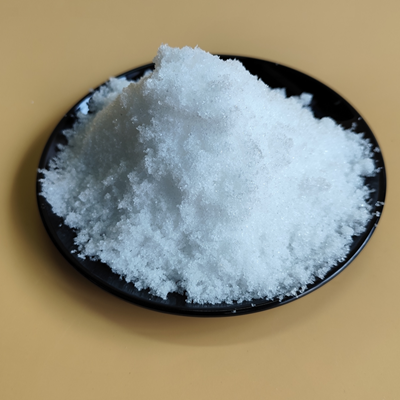
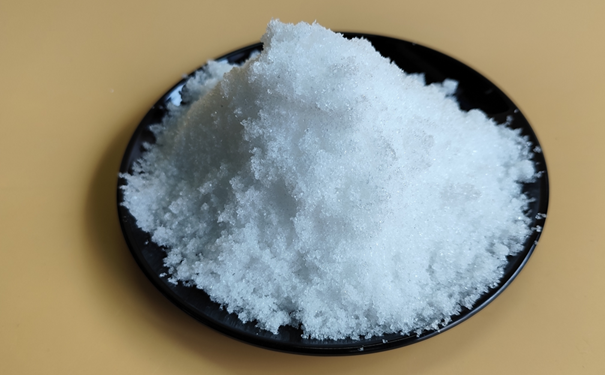
Appearance: White crystal
4, Use
(1),AS a bactericidal fertilizer, +3 phosphorus content of up to 58%, can induce seedling cells to produce lignin, increase the thickness and hardness of the cell wall, harmful microbial cells, proteins, enzymes and other destructive effects. According to relevant data research, potassium dihydrogen phosphite has a better inhibitory or killing effect on downy mildew, powdery mildew,black star disease, phytophthora infestation, root rot and other diseases.
(2),It can be used as a slow-release fertilizer.Due to the complex and slow reoxidation reaction between Monopotassium phosphite and oxygen and organic matter in the soil, potassium phosphate,calcium phosphate,ammonium phosphate and other fertilizers can be directly absorbed by crops.
(3),According to relevant statistics, it can reduce crop cracking, yellowing, lobules, falling flowers and other adverse phenomena.
(4),After a large number of field experiments and use found that Monopotassium phosphite has a certain control of growth, promote flower bud differentiation, Peng fruit and other effects.
5,Preparation
(1) KOH was dissolved in alcohol solvent, solid phosphorous acid was added, neutralization reaction was performed, solid-liquid separation was performed, and high purity potassium hydrogen phosphite was obtained by drying. The reaction formula is as follows: KOH + H3PO3 = KH2PO3 + H2O, pay attention to the addition of excessive phosphite in the reaction process.
(2),The liquid obtained after solid-liquid separation is recovered by distillation of alcohol, the recovered alcohol is recycled, and the mother liquor after distillation is returned to the neutralization reaction for recycling.
Monopotassium phosphite and potassium dihydrogen phosphate are very similar in appearance, PH value, water solubility, density, color, etc., but they are completely different fertilizers. The main difference is that the phosphorus valence, phosphorus content and potassium content are different. Monopotassium phosphite is 0-58-38, while potassium dihydrogen phosphate is 0-52-33. Potassium dihydrogen phosphite is usually identified by testing the content of P2O5.
Monopotassium phosphite,13977-65-6,KH2PO3