Tetrabromobisphenol A (TBBPA)
Tetrabromobisphenol A, CAS number 79-94-7, abbreviated as TBBPA, has a bromine content of 58% and can be used in materials such as EP, PU, PE, ABS, PBT, and PET. TBBPA exhibits a synergistic flame-retardant effect with antimony trioxide (Sb2O3).
1. Basic Information
English Name: Tetrabromobisphenol A (TBBPA or TBBA)
CAS Number: 79-94-7
Molecular Formula: C15H12Br4O2
Molecular Weight: 543.87
Melting Point: 178-181°C
Boiling Point: 316°C
Density: 2.1
Vapor Pressure: 0 Pa at 20°C
Refractive Index: 1.5000 (estimate)
Storage Conditions: 2-8°C
Acidity Coefficient (pKa): 8.50±0.10
Water Solubility: Insoluble
2. Chemical Properties
(1) It has good compatibility, and no precipitation or blooming will occur on the surface of the product.
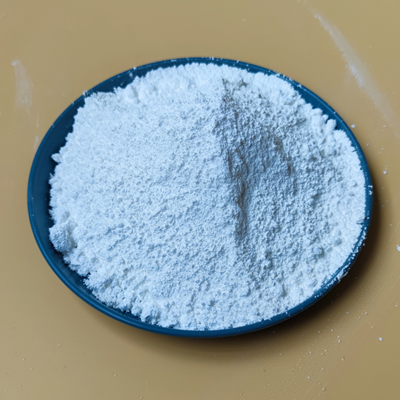
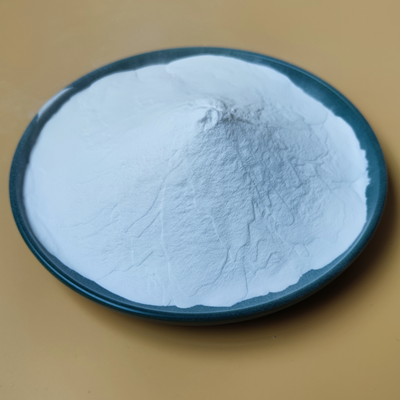
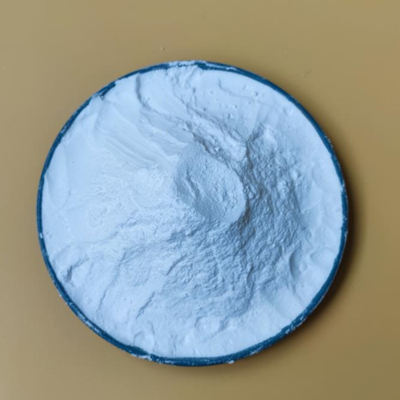
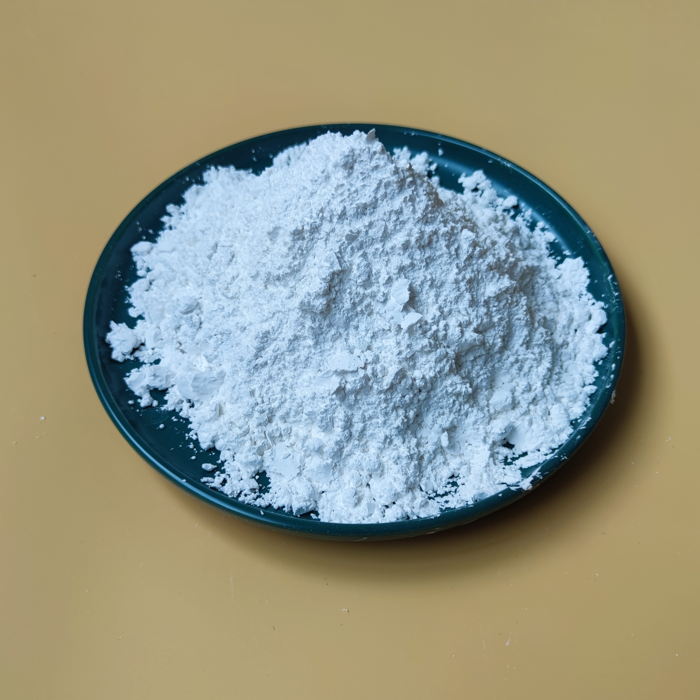
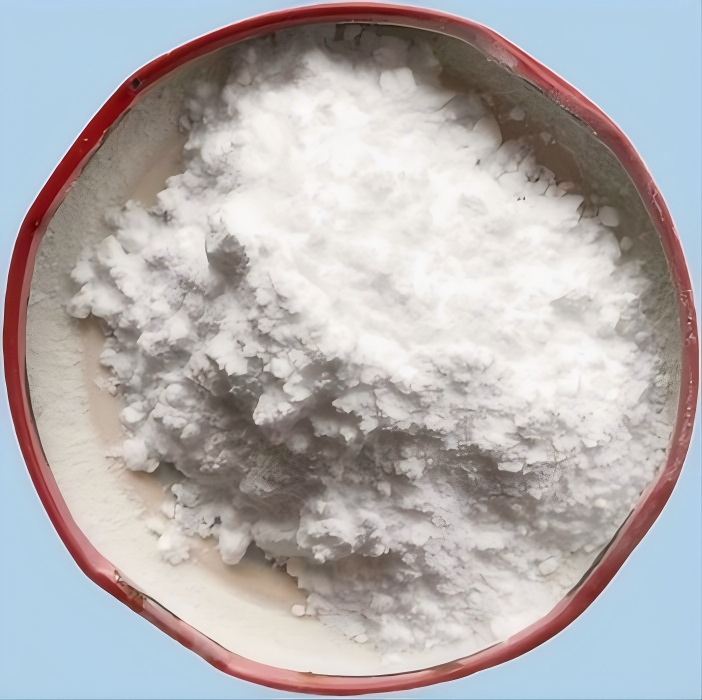
(2) It appears as a white powder, soluble in methanol and ether, insoluble in water, and is mainly used as a reactive flame retardant.
(3) Tetrabromobisphenol A (TBBPA) does not produce carcinogens when burned, is non-toxic, and has good compatibility with the substrate. (4) It has good fluidity properties and a high melt flow rate (MFR) under the same processing conditions. Therefore, the processed products have better surface finish and are suitable for making high-end plastic products.
3. Specifications
Assay ≥ 99.0% min
Br ≥58.0%
Melting point ≥ 180°C
Moisture ≤ 0.1%
Chroma (Methyl Alcohol) APHA ≤ 20
Appearance: White powder
4. Uses
Tetrabromobisphenol A (TBBPA) is used synergistically with Sb2O3 in a certain proportion for flame retardancy in ABS, EP, PU, HIPS, PP, PBT, and printed circuit boards (PCBs); it is also used in the production of brominated epoxy resin intermediates and brominated polycarbonate.
5. Production Process
First, bisphenol A and 95% ethanol are added to the reactor in a certain proportion, and the bisphenol A is dissolved in the ethanol under stirring. Then, the temperature is controlled at 25°C, and bromine is added while stirring. After adding bromine, stir for 30 minutes, then introduce chlorine gas to displace the bromine in the HBr and allow it to continue participating in the reaction. Maintain the temperature at approximately 25°C and continue stirring to enhance mass transfer and accelerate the reaction. The HCl generated during the reaction is drawn into an absorber and absorbed by water to become a byproduct HCl. After a measured amount of chlorine gas has been introduced, stir for another 30 minutes, then blow dry air to remove the HCl dissolved in the reaction solution. At this point, the material is a slurry, and due to the supersaturation of a large amount of tetrabromobisphenol A, it precipitates out. After cooling, the product continues to precipitate. Filter, recycle the filtrate, and use the filter cake as the product. After washing with water, centrifugation to remove water, and drying at approximately 80°C, tetrabromobisphenol A (TBBA) is obtained.
5. Packaging: 25kg/bag
6. Storage: Store in a cool, dry warehouse, avoiding high temperatures.
24% tetrabromobisphenol A (TBBPA) and 4% Sb₂O₃ have excellent flame retardant effects on ABS, achieving UL 94 V-0 rating. However, the relatively high dosage significantly reduces the impact strength of ABS. Silicone oil and magnesium stearate can be added to improve physical properties and enhance dispersion. The formulation of TBBA varies considerably depending on the material, resulting in different flame retardant effects.
Tetrabromobisphenol A,TBBPA,79-94-7,TBBA
Related PRODUCTS
-
PP halogen-free flame retardant LXF-C580
-
Tetrabromobisphenol A (TBBPA)
-
Tetramethylol phosphorous chloride urea
-
Aluminum Diethylphosphinate(ADP)
-
ABS flame retardant masterbatch LXM-ABSM
-
Zinc borate
-
PS flame retardant masterbatch
-
PP flame retardant masterbatch
-
PP V2 Flame Retardant
-
PE flame retardant masterbatch LXM-PEM80