
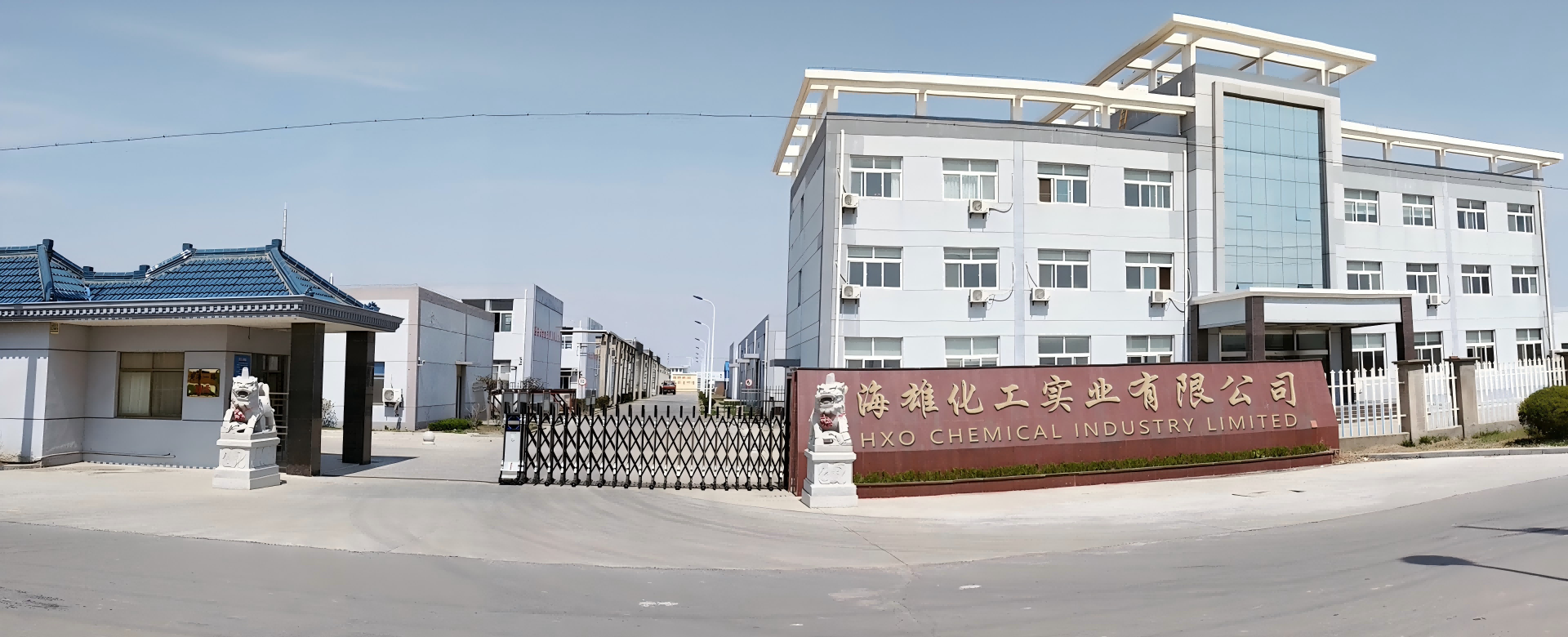

Calcium peroxide|CAS 1305-79-9
Calcium peroxide, with the molecular formula CaO2 and CAS No. 1305-79-9, is a highly efficient oxygenating agent. It reacts with water to produce oxygen, but the oxygen release rate is slower than that of sodium percarbonate, making it a long-lasting oxygenating agent. Calcium peroxide (CaO2) has water purification and preservation properties. It is also widely used as an oxygenating agent in soil improvement, river sludge treatment, rice seed coating, and edible fungi cultivation. In winter shrimp farming, CaO2 provides gentle oxygenation, leaves no harmful residues, and has significant water conditioning and antibacterial effects.

I. Basic Data
English Name: Calcium peroxide; Calcium dioxide; Oxygenating agent
CAS No.: 1305-79-9
EINECS No.: 215-139-4
Molecular Formula: CaO2
Molecular Weight: 72.08
Appearance: White or slightly yellow powder
Composition: CaO2, CaO, Ca(OH)2
CaO2 Content, % ≥30-75.0
Particle Size Distribution, %: Through 200 mesh ≥99%; Through 325 mesh ≥50%
Bulk Density, g/L: 500~650
Fe, % ≤ 0.002
pH Value: 12
Packaging: 25 kg woven bag or cardboard drum
II. Uses
1. In aquaculture, it can be used as an oxygenating agent to increase dissolved oxygen in water, adjust the pH value of water, improve water quality, and eliminate pathogens.
2. In environmental protection, calcium peroxide can be used to improve surface water quality, treat wastewater containing heavy metal particles, and control red tides.
3. In the metallurgical industry, it can be used for dephosphorization and extraction of precious metals.In the rubber and chemical industries, it serves as a vulcanizing agent for natural rubber, a hardener/sealing agent for polysulfide rubber, and an initiator for unsaturated polyester resins.
4. It can also be used in emergency oxygen supply, cigarette manufacturing, and the paint industry.
5. In food processing, calcium peroxide can be used for food and fruit/vegetable preservation, feed additives, dough improvers, and food sterilization.
6. In agriculture, calcium peroxide is used for oxygen supply to plant roots, biochemical improvement of soil quality, rice seed coating, and as an oxygen fertilizer and bio-compound fertilizer.
7. It can also be used in the daily chemical industry as a dental cleaner and a household disinfectant/deodorizer.
III. Mechanism of Action
1. The core mechanism of calcium peroxide(CaO2) oxidation is through the disproportionation or transfer of superoxide (O₂²⁻, oxidized state -1), releasing reactive oxygen species (ROS) stepwise and transferring oxygen atoms/electrons, ultimately achieving oxidation, sterilization, and oxygenation functions. The reaction rate is regulated by conditions such as water, acid, temperature, and pH. CaO2 + 2H2O → Ca(OH)2 + H2O2 (generating hydrogen peroxide, a mild oxidation). 2H2O2 → 2H2O + O2↑ (further decomposition of H2O2, with OH and O₂²⁻ ROS participating in strong oxidation). The reaction is slow, with continuous oxygen release, and Ca(OH)₂ forms a protective layer, making the oxidation effect persistent. It is commonly used in aquaculture oxygenation and soil improvement.
2. Mechanism of Action in Preservation: The nascent oxygen ([O]) and oxygen molecules (O₂) released by CaO₂ have strong oxidizing properties. They can destroy the cell membrane structure, enzyme system, and DNA of microorganisms (such as bacteria and molds), thereby effectively inhibiting their growth and reproduction and preventing spoilage caused by microorganisms. Fruits and vegetables produce ethylene gas after harvest, a plant hormone that promotes ripening and senescence. Active oxygen can oxidize and decompose ethylene (C₂H₄), converting it into harmless substances such as ethanol and acetaldehyde, thus delaying the ripening and senescence process of fruits and vegetables. It can oxidize volatile substances with odors, such as hydrogen sulfide and ammonia, produced by spoilage, thus deodorizing and maintaining the flavor of the product.
IV. Storage
Keep containers sealed and ensure labels are intact and complete. Handle with care during transport to prevent damage to packaging and containers, and ensure proper pressure release of containers. Store in a dry, clean, and well-ventilated warehouse. Keep away from fire, heat sources, and direct sunlight. Protect from moisture and rain. Do not transport in rainy weather. It should be stored separately from flammable or combustible materials, reducing agents, sulfur, phosphorus, etc., and should never be stored or transported together. Avoid contact with other substances that may cause product decomposition.
Calcium peroxide(CaO2) is very stable at room temperature and does not easily decompose. It begins to decompose at 275 degrees Celsius and can slowly release O2 over a long period in humid air or water. Calcium peroxide is a white or slightly yellow powder, odorless and tasteless, slightly soluble in water, and soluble in acids. Furthermore, it has strong bleaching, bactericidal, and disinfecting properties and is harmless to the environment.
 High efficiency partial antimo
Characteristics and Processing
Structure and Properties of MC
PP Halogen-Free Flame Retardan
High efficiency partial antimo
Characteristics and Processing
Structure and Properties of MC
PP Halogen-Free Flame Retardan